Type Diabetes 1 Type 1 occurs when the pancreas doesnt produce enough insulin for the body. Some symptoms that a person can get are being exsessively thirsty, hungry, possibly weight loss and lots of urination. In children and teens its usually an autoimmune disorder, when the specific immune system cells and antibodies produced by the immune system attack and destroy the cells of the pancreas that produce insulin for the body. Diabetes will cause long term complications, including kidney problems, nerve damage, blindness, and early coronary heart disease and possibly having strokes. To control blood sugar levels and reduce the risk of developing complications, children need regular injections of insulin.
Some basic information about having diabetes, and what happens without insulin. Without insulin our bodies wouldn’t be able to process the glucose and therefore would have no energy for movement, growth, repair, or other functions Type 1: almost like your body is always in “starvation mode” because the cells can’t be easily opened to release the energy from the glucose from the food you eat. “Over 90% of diabetic cases worldwide are type 2 Type 2: the pancreas produces as much, sometimes more than a normal body, but the cells develop a resistance to the insulin, so the body tries secreting more and more insulin trying to feed the cells. The cells respond sluggishly to the insulin, so the cells can’t absorb the glucose as well, so the blood sugar levels are higher than they should be. When the body can’t get the energy from the glucose into the cells, the body stores the extra energy in fat cells.
The video on the side ---> talks about how diabetes affects our body and symptoms. Also how to control you bodily intake when you are a diabetic! I found it really intertaning! (The little guy reminded me of you! Mr. Gullacher). | 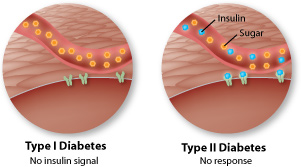 Type Diabetes 2 During this type a person body may not respond to insulin normally. Some children and teens tend to get diabetes because they are over weight. The excess body fat plays a role in the insulin resistance. The symptoms and problems that occur with type diabetes 2 are basically the same as type 1 diabetes. Some people can control the blood sugar level with dietary changes, exercise, and medications, but many will need to take insulin injections.
|
