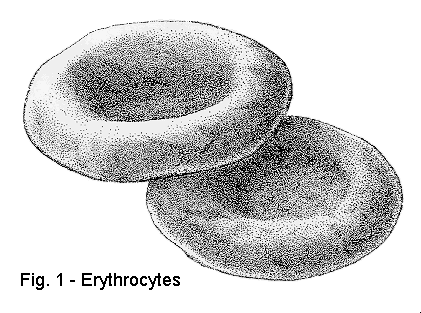
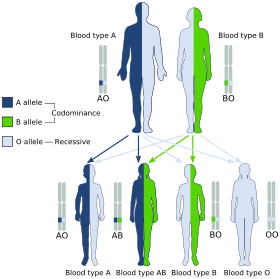
 | Blood Blood is the main part of the circulatory system, since that is what circulates the oxygen to the other organs so that they can work properly.There are 3 different types of blood: A,B, and O. These all represent the different alleles of the blood gene (found on chromosome 9). The A and B alleles are co-dominant. This means that when an individual inherits an A or a B gene, it will be expressed, but since they are co-dominant, if a person inherits both (AB), the phenotypes for both A and B will be expressed. The O allele signifies a lack of A or B antigens. It is recessive, and therefore isn't expressed unless the O gene is inherited from both parents (OO). In order to receive any type of transplant/transfusion, you have to have the same blood type from the donor. People with OO blood types are considered "universal blood donors", because anyone (no matter which blood type they are) can receive it without rejecting it. There are also 2 different types of blood cells: red and white. The red blood cells are erythrocytes, and are like tiny disks; thin near the centres and thicker around the rims.
|
The white blood cells are what defend the body against micro-organisms. There are 5 types of white blood cells; they are distinguished by their size, staining characteristics, and the shape of their nucleus: 1. neutropphils, which account for 54-62% of the white cells in any sample of blood. These destroy small particles by phagocytosis (basically engulfing/eating away the bad things). 2. eosinophil, which make up 1-3% of the white blood cells. These break down clots and removes unwanted products out of immune reactions. 3. basophils, which account for less than 1% of the white blood cells. 4. monocyte, which accounts for 3-9% white blood cells, and destroys the larger particles using phagocytosis. 5. lymphocyte, which accounts for 25-33% of white blood cells. | 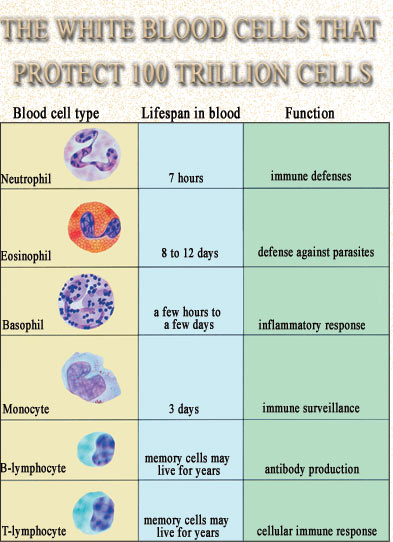 |
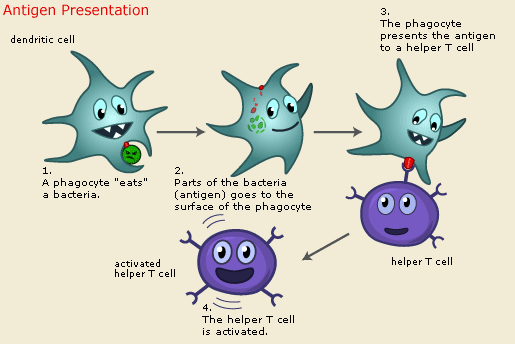
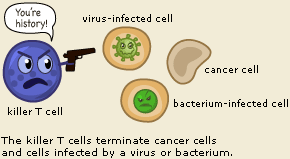
HIV, Human Immunodeficiency Virus, is a virus that targets the Helper T cells and destroys many of the white blood cells in our body. With out the Helper T cells to tell the Killer T cells what is a germ, the Killer T cells won't fight anything. This givescommon germs (like the common cold) the perfect opportunity to come into your system and make you sick since your body won't even know that they are bad, basically destroying the immune system.
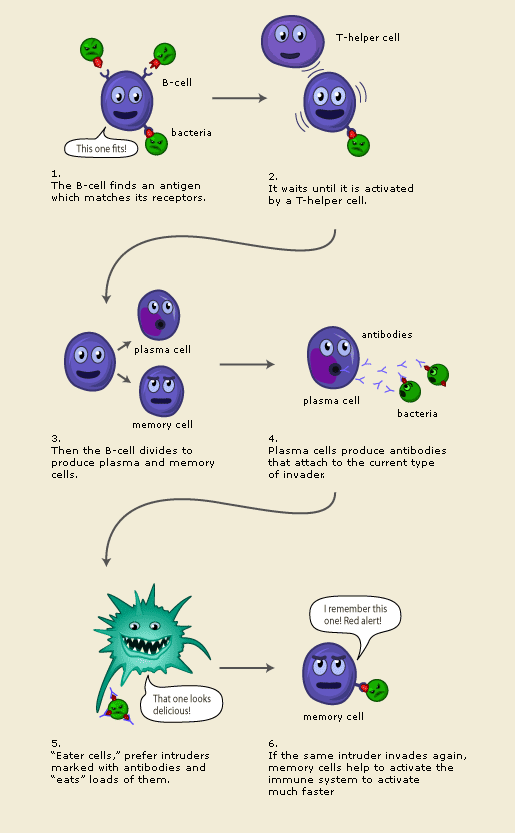
Watch video above: (start at 10:53 and end at 16:00) It shows the (little green blobs) germs. The white blobs are the white blood cells. The red things are the red blood cells.The y-shaped stems that were shot into the germs are the antigens that tell the white blood cell figure out which 'blobs' are germs so that they can kill them. I saw this episode last week on television and I thought it was very inspirational and would work very well with the project! | To help fight disease and other unwanted things in the body, there are Helper T cells, Killer T cells, and B cells. Helper T cells spot the foreign antigens on the macrophage (in other words, identify the germs). Killer T cells destroy the germs found by the Helper T cells. B cells make antibodies and theseantibodies cling onto the foreign antigens so that the immunecells can identify them easier and then kill them.
  |
