In the Circulatory System there are a lot of parts; the most important ones are the heart, lungs, kidney's and the liver.
The heart pumps blood throughout your body every second of everyday day. The right side of the heart pumps blood to the
lungs and the left side of the heart pumps blood to the rest of the body. There is an upper and lower part of the brain.
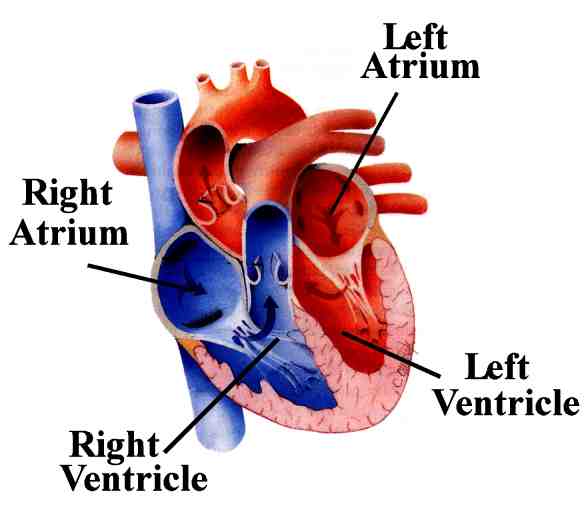 | The upper part is called the atria, which is a single atrium. It has thin walls and it receives blood from the veins. The veins bring the oxygenated blood from the lungs to the heart and then once it gets there it releases carbon dioxide. The lower part is the ventricles and it forces the blood out of the heart and into the arteries. The arteries carry blood away from the heart. (The heart is more explained on Topic 1-1) |
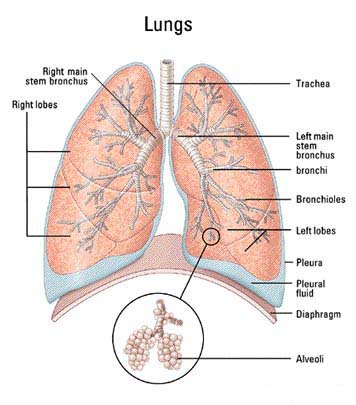
The lungs are a pair of elastic, spongy organs used to help many people breathe. They are 25-30cm long and cone shaped. The right lung is bigger than the left just by a little because it has 3 lobes. The air/oxygen travels through the passage such as starting at the nostrils or mouth, down the throat and more.
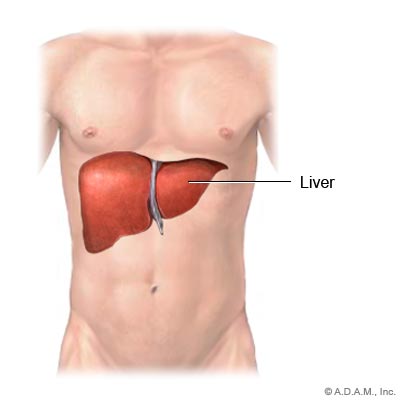 |  The liver has many talents; there are about 500 functions of the liver! The liver removes toxins, makes horomones, digestive bial, regulates the body's metabolism, stores numerous vitamins and minerals, creates bio chemicals for decomposition, stores glucose, and revomes poisons and damaged red blood cells. It is the largest gland of the body. There are 2 type of cells that populates live lobes: parenchymal and non-parenchymal. |
There are 2 kidneys in the body, but people can survive with one. They remove poisons out of the circulatory system such as alcohol and drugs. There are many ways for the kidney to fail. For example, too much alcohol would cause a kidney to fail, as would cancer or diabetes. If the kidneys do fail, it is possible to have a kidney transplant. | 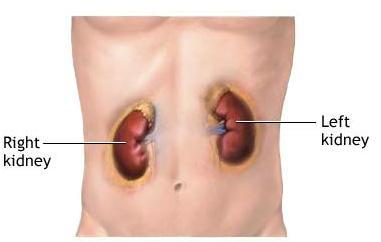 |
Heart Transplants
After exploring every other option, people with organ failures may need to have a transplant. Kidneys and livers may be transplanted from a living donor (since you only need 1 kidney and the liver is regenerative), but heart, lung, pancreas and cornea transplants need to be from deceased donors. In the USA, you need to apply to the Organ Procurement and Transplantation Network if you want an organ transplant. This is a database that lists all of the eligible transplant patients, and it also sets up the policies for who gets which organs. The steps of a transplant are illustrated in the picture bellow.
(from http://science.howstuffworks.com/environmental/life/human-biology/organ-transplant1.htm)
** About 80% of heart transplant patients are still alive 2 years after the operation, and about 70% of them are still alive 5 years after the operation.**
Heart Transplants may save your life, they may also kill you too. The new organs are "foreign" to your body; since your immune system has been trained to fight foreign things,it may try to 'reject' or kill the new organ, destroying it cell by cell. | 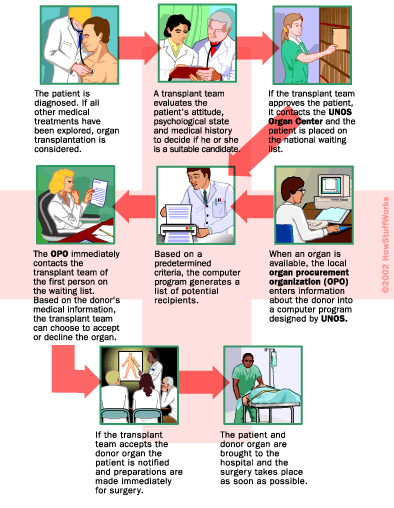 |
